Automotive · recorded video course
Understand what happens under the bonnet, system by system
Car Anatomy walks you through a modern car the way a mechanic sees it: the engine, the drivetrain, the chassis and the electrics, each explained with animated cutaways and plain language. Watch at home, at your own pace, as often as you like.
- 14 video lessons
- Animated cutaway models
- Lifetime access
- 14-day money-back guarantee
Why this course exists
Most of us drive every day without a clear picture of what is happening a few centimetres from our feet. We know the words — crankshaft, timing belt, torque converter, ABS — but not what they do, how they connect, or why a mechanic reacts the way they do when one of them fails. That gap costs money at the garage, makes buying a used car a guessing game, and turns every dashboard warning into a small panic.
Car Anatomy closes that gap. It is a structured tour of the modern passenger car, organised the way the car itself is organised: the engine and the systems that keep it running, the transmission that turns its work into motion, the suspension, brakes and steering that keep you on the road, and the electrical and climate systems that make the car usable. Every part is shown in a three-dimensional cutaway, in motion, so you see the mechanism rather than a diagram of it.
The course was built for people who want the understanding of a trained mechanic without the apprenticeship: drivers who want to talk to a garage on equal terms, enthusiasts restoring a car on weekends, students preparing for a technical programme, and anyone who simply enjoys knowing how things work. No prior knowledge is assumed; the first lesson starts with the layout of the car and the last one ends with the air conditioner.
This is the Home License edition: a single personal licence for learning at home, on your own devices, for as long as you want.
What you will be able to do
- Name and locate every major system of a car
From the cylinder block to the rear brake lines, you will know where each component sits and what it is connected to.
- Explain the four-stroke cycle for petrol and diesel engines
Intake, compression, power, exhaust — and why a diesel does without spark plugs.
- Follow the path of fuel, air, oil and coolant through the engine
Each supply and support system is traced from reservoir to combustion chamber and back.
- Tell the transmissions apart and know how each one shifts
Manual, hydraulic automatic, dual-clutch and the differences between front, rear and four-wheel drive.
- Read a suspension, brake or steering layout at a glance
Independent versus dependent suspension, disc versus drum brakes, rack-and-pinion versus worm steering, and the power assistance behind them.
- Understand what a garage is talking about
Diagnoses, quotes and inspection reports stop being a foreign language.
- Assess a used car with a mechanic's checklist in mind
You will know which systems to look at, listen to and ask about before you buy.
- Teach the basics to someone else
The cutaway models give you a vocabulary and a set of pictures you can pass on.
- 14
- video lessons
- 6 h
- of recorded content
- 9
- vehicle systems covered
- ∞
- lifetime access
Learn from moving cutaways, not static diagrams
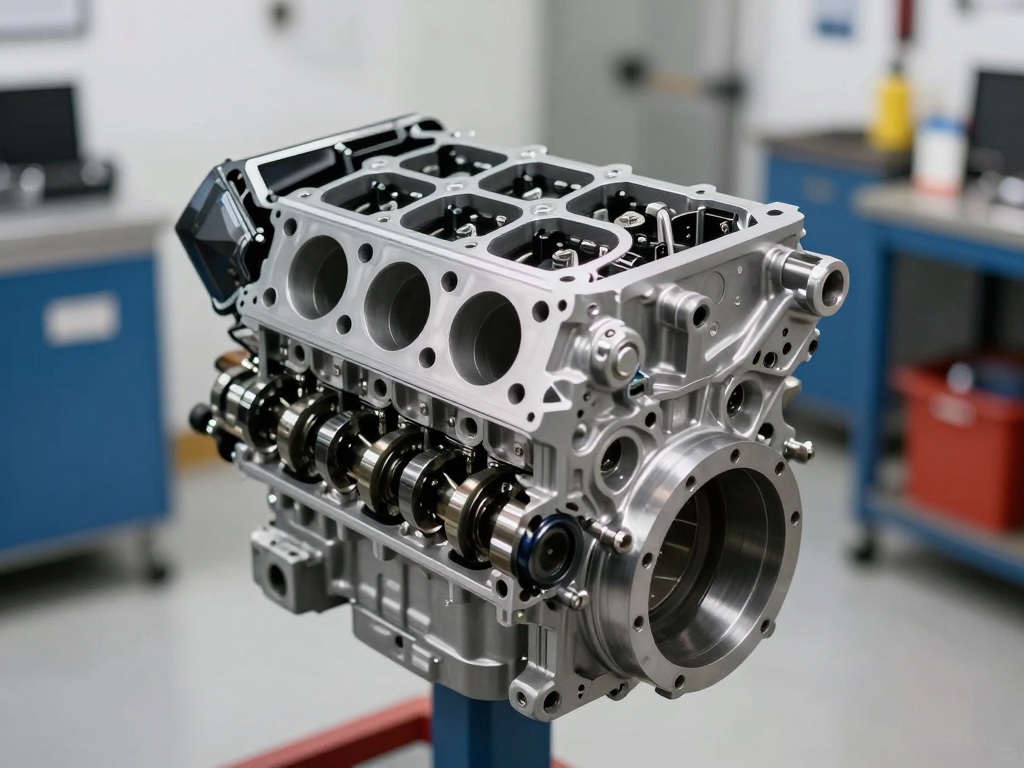
Every lesson is built around a detailed three-dimensional model of the component or system being discussed. The model is cut open, rotated and set in motion while the narration explains what you are looking at, so a crankshaft turning, a valve opening or a clutch pack engaging is something you watch rather than imagine.
The models follow real production designs, with the proportions, materials and fastenings you would meet in a workshop. When a lesson compares alternatives — a drum brake next to a disc brake, a timing belt next to a timing chain — both are shown side by side at the same scale.
- Cutaway models of engines, gearboxes, axles, brakes and steering
- Slow-motion playback of every cycle and mechanism
- Side-by-side comparisons of competing designs
- Plain-language narration with the technical term given once and explained
How the course works
The course is fully recorded and self-paced. After payment you receive an email with your access details, usually within a few minutes, and you can start with lesson one straight away or jump to the system you are curious about. Each lesson runs between twenty and forty minutes and is chaptered, so you can revisit one mechanism without replaying the whole lesson.
There are no live sessions, timetables or deadlines. Watch on a laptop, tablet or phone, pause to look at your own car, and come back whenever you like: access does not expire. Questions about the material can be sent in writing through the learning platform and are answered there.
The lessons build on each other in the order listed below, but each one is also self-contained. If you already know how an engine works and want to understand the transmission, you can start there.
The programme
Fourteen lessons in five parts, from the layout of the car to the air conditioner.
1Part 1 — The car and its enginesThe overall layout, then the two engine types that power most cars on the road.3 lessons · 70 min
- 01. Car systems: the basics — introduction to the structure of the car
- 02. Internal combustion engine (gasoline) — introduction and operation of the four-stroke petrol engine
- 03. Internal combustion engine (diesel) — introduction and operation of the four-stroke diesel engine
2Part 2 — Inside the engineThe two mechanisms that turn combustion into rotation and keep it timed.2 lessons · 55 min
- 04. Crank mechanism — crankshaft, connecting rods, pistons, cylinder block and how they work together
- 05. Valve timing mechanism — valves, camshafts, timing belt or chain, and the valvetrain and timing drive
3Part 3 — Keeping the engine aliveThe systems that lubricate, cool, feed and electrify the engine.4 lessons · 105 min
- 06. Lubrication system — the oil cycle, oil passages, oil pump and oil filter
- 07. Cooling system — the coolant cycle, water pump, thermostat and radiator
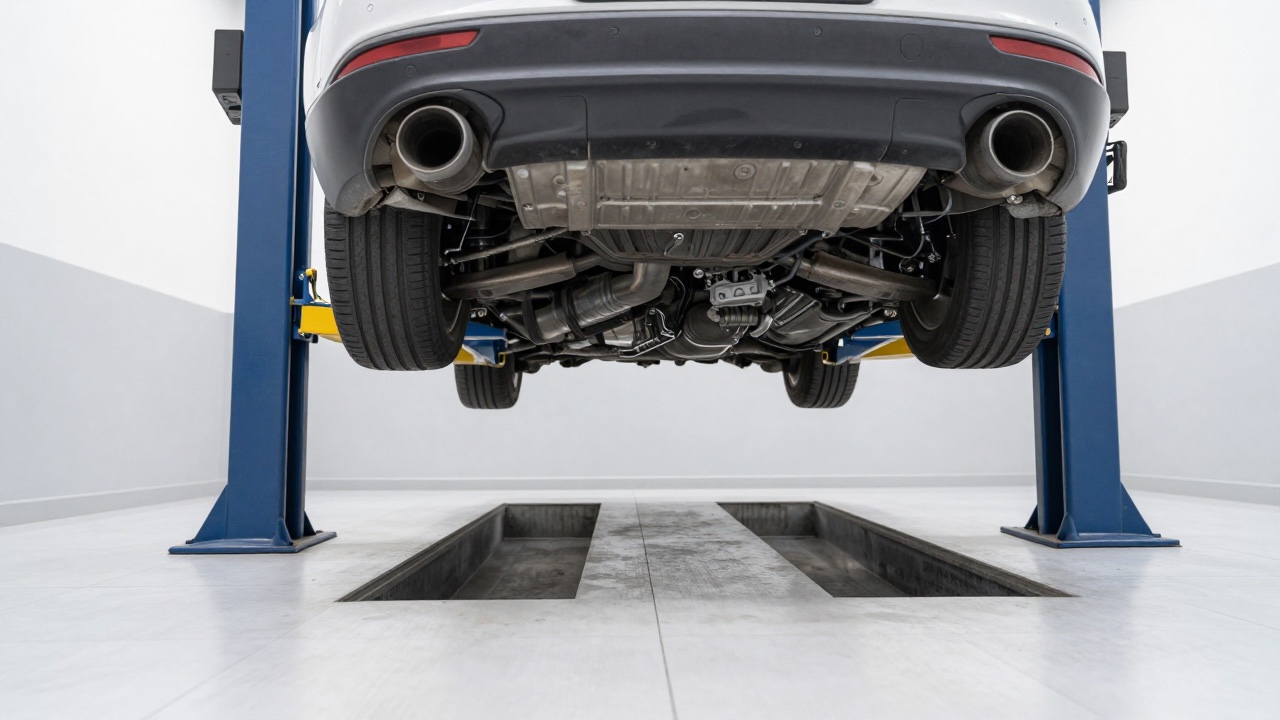
- 08. Supply systems — fuel, intake, exhaust, injection and EVAP systems
- 09. Electrical systems — wiring, power sources, power consumers and auxiliary equipment
4Part 4 — Getting the power to the roadTransmissions and drivetrains, and the chassis systems that carry the car.3 lessons · 85 min
- 10. Transmission and drivetrain — front-, rear- and four-wheel drive; manual, hydraulic automatic and dual-clutch gearboxes
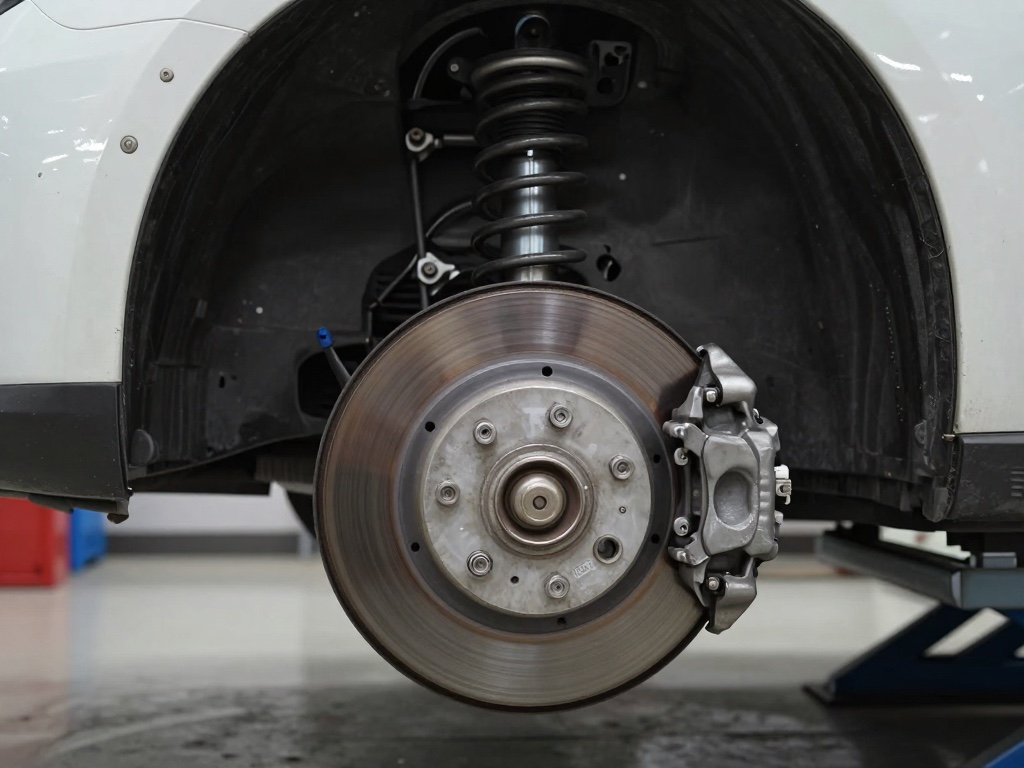
- 11. Suspension, wheels and tires — independent, dependent and semi-independent suspension, shock absorbers, springs, wheels and tires
- 12. Brake system — disc and drum brakes, master and slave cylinders, brake circuits
5Part 5 — Control and comfortSteering the car and keeping its cabin comfortable.2 lessons · 45 min
- 13. Steering system — worm steering, rack-and-pinion steering, hydraulic and electric power steering
- 14. Air conditioner — structure and operation of a car air-conditioning system
What you get
- 14 recorded video lessons
About six hours in total, chaptered for quick reference.
- Animated cutaway models of every system
Engines, gearboxes, axles, suspension, brakes, steering and climate control.
- Lesson summaries
A one-page recap of each lesson with the key terms and a labelled illustration.
- Glossary of automotive terms
Every technical term used in the course, explained in one or two sentences.
- Used-car inspection checklist
A printable walk-around list organised by the systems you have learned.
- Lifetime access
Watch again whenever a new car, a repair quote or a question comes up.
- Written support
Ask about the material through the learning platform and get an answer in writing.
- 14-day money-back guarantee
If the course is not what you expected, write to us within 14 days for a full refund.
Who it is for
This course is for you if…
- Drivers who want to understand their own car and talk to a garage with confidence
- Enthusiasts and weekend restorers who want the theory behind the work
- Students preparing for an automotive or engineering programme
- Used-car buyers who want to know what to check and ask
- Anyone who enjoys seeing how complex machines actually work
Probably not a fit if…
- Professionals looking for make-specific repair procedures or torque specifications
- People who need a hands-on workshop course with tools and a vehicle
- Anyone expecting coverage of electric or hybrid powertrains — this course is about combustion-engine cars
After the course
The next time a mechanic says the thermostat is stuck or the clutch pack is slipping, you will picture the part, know where it sits and understand why the symptom follows. A repair quote becomes a list of things you can evaluate rather than a number you have to accept.
Walking around a used car, you will know to look at the suspension bushes, listen to the valvetrain at idle, check the colour of the coolant and ask when the timing belt was last changed — because you know what each of those systems does and how it fails.
And if you decide to go further, into a technical programme or a workshop of your own, you will arrive with the vocabulary and the mental model that the first year is normally spent building.
A note on scope
The course covers the systems common to modern passenger cars with petrol and diesel engines. It does not go into vehicle-specific repair procedures, diagnostic software, or the high-voltage systems of electric and hybrid cars. It is a course on understanding, not a substitute for a service manual.
The Home License covers personal, non-commercial use by one person. If you want to use the material in a classroom or a business, write to us for a suitable licence.
Frequently asked questions
Do I need any prior knowledge?
No. The course starts with the layout of the car and introduces every term the first time it is used. If you can drive, you can follow it.
How long does it take?
About six hours of video in fourteen lessons. Most people spread it over two to three weeks, watching one or two lessons at a time, but there is no schedule to keep.
When do I get access?
Your access details are sent by email right after payment, usually within a few minutes. Check the spam folder if nothing arrives.
What format are the lessons in?
Recorded video with animated cutaway models and narration, streamed in the learning platform. Each lesson comes with a written summary you can download and print.
Are there any live sessions or deadlines?
No. Everything is recorded and self-paced; questions are answered in writing through the platform.
Does the course cover electric or hybrid cars?
No. It covers combustion-engine cars: petrol and diesel engines, their support systems, the drivetrain, chassis, electrics and air conditioning.
Can I use it to teach others?
The Home License is for one person's personal use. Classroom or commercial use needs a separate licence; write to us and we will arrange it.
What if it is not for me?
Write to us within 14 days of purchase and we refund the full amount, no questions asked.
Start with lesson one tonight
Fourteen lessons, lifetime access and a 14-day money-back guarantee.