Business · All levels
Build a business as a system, from first idea to year one
A step-by-step programme that replaces enthusiasm and guesswork with calculations, decisions and working documents you can use the same week.
- 12 practical steps
- Templates for cash flow and break-even
- Student area with progress tracking
- Lifetime access
- 14-day refund policy
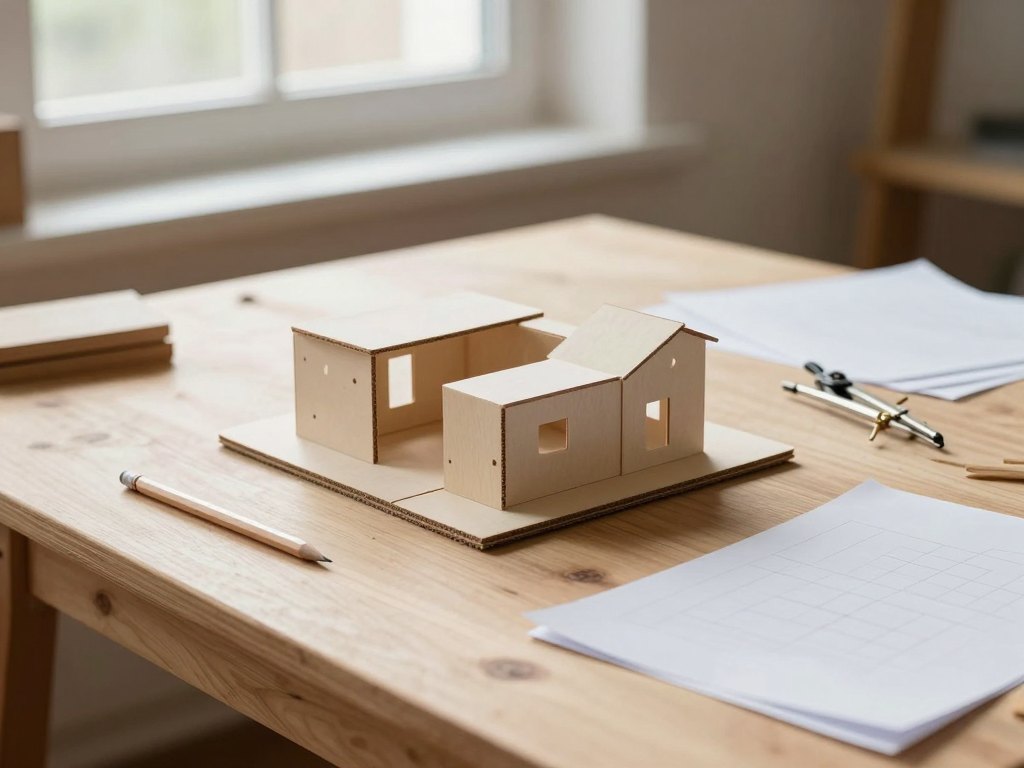
Why motivation is not what stalls a business
Most people who want to start a business, or who already run one, do not lack energy. They get inspired, make a few moves and then stall. The reasons are usually the same: they do not know how much money is needed before the first sale, everything depends on them personally, and every attempt to grow makes things feel less under control.
This programme treats a business as a construction rather than a set of lucky actions. A building stands because of its load-bearing elements, and a company is no different. Here those elements are the idea, the money, the team and the control. If one of them is missing, the rest will eventually give way, however hard you work.
That is why the course is not a library of videos meant to inspire you. Each step ends with something concrete: a calculation, a table, a document or a management decision. You do not finish a module because you watched it. You finish it because you produced the result.
The course does not promise an easy path and does not sell a dream. It gives you a method for looking at your project soberly, finding the weak points early and building a working foundation before you spend serious money.
What you will be able to do
By the end of the programme you will have made the key decisions about your business and written them down.
- Define what your business is for
State which problem it solves, for whom, and why the market would pay for it.
- Draft a 12-month plan
Replace vague hopes of growth with a route broken into steps and priorities.
- Build a cash flow forecast
Work out how much money you need before launch and when it leaves and arrives.
- Calculate your break-even point
See at which level of sales the business begins to cover its own costs.
- Choose a suitable business form
Compare the legal and operational options and pick the one that fits your model.
- Design an organisational structure
Assign roles by logic instead of doing everything yourself.
- Map the client journey
Describe how a person finds you, why they choose you and how they get to payment.
- Set up a control system
Track the business through numbers, a regular rhythm and clear decision points.
- Test the risks before you commit
Run scenarios so you know your safety margin before making an irreversible move.
- 12
- practical steps
- 4
- load-bearing elements: idea, money, team, control
- 8
- working results you build
The method: architecture of a business
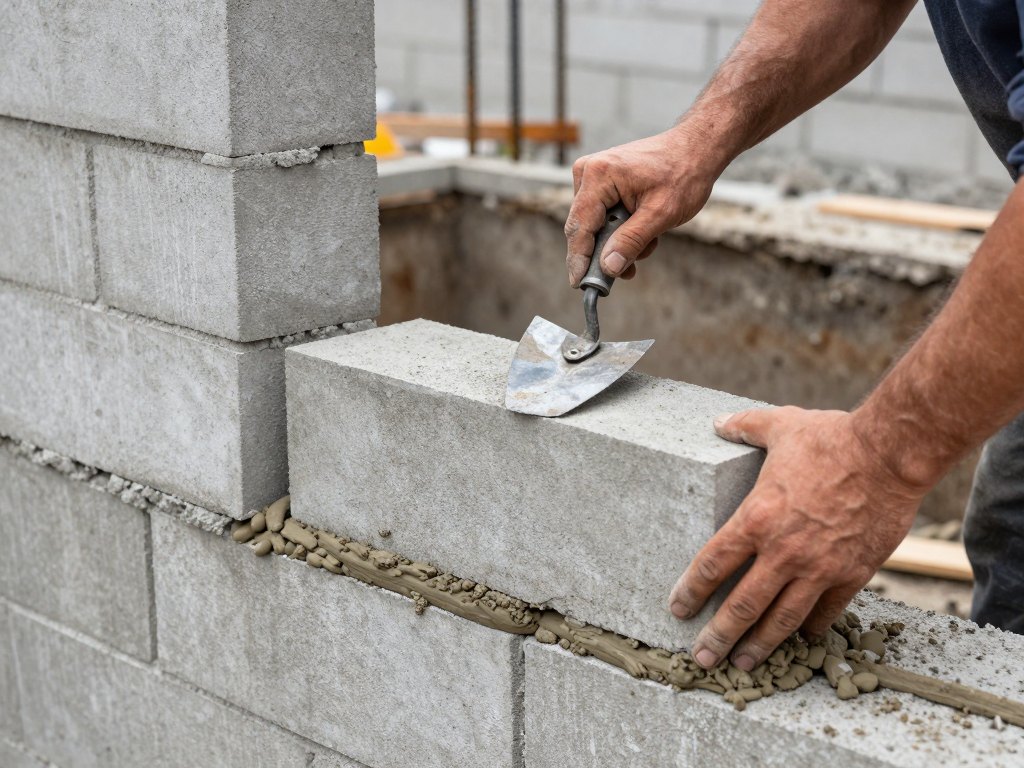
The programme is built on one idea: a company is an architecture. You do not start with the roof, which means advertising, a logo or a clever launch. You start with the foundation and the load-bearing walls, and only then add everything else.
The first element is the idea. This covers the meaning of the business, your hypothesis, the logic of the product, and the gap between where you are now and where you want to be. The second is money: the financial model, the cash flow forecast, break-even and the safety margin that protects you from a costly mistake.
The third element is the team. Here you work out roles, structure and who is responsible for what, so the business stops depending on you doing everything by hand. The fourth is control: the figures you watch, the rhythm of management and the points at which decisions are made. Together they replace chaos with a system you can actually steer.
How the course works
The programme is a route, not a pile of lessons. You begin with a starter stage, where you look honestly at your idea, see the typical mistakes people make at the start and put together a first diagnosis. Then you move into the main twelve-step programme and build the business step by step.
Everything happens in a student area designed as a workspace rather than a video archive. You can see your route, your progress through the steps, the materials for each step, the templates and the tasks. A progress indicator shows which step you are on, so you always know what comes next.
The course is self-paced and the video lessons come with templates and tasks. There is no fixed finish line to race towards. The goal is the quality of your foundation and how well you apply it, not how fast you get through the material. If you are only testing an idea, begin with the starter stage. If you already have a project or a running business, you can go straight to the full programme.
The programme
The route runs from a first honest look at your idea to a business with a working control system. Each step finishes with a concrete result.
1Starting point — an honest diagnosis of your ideaRemove illusions and see the typical mistakes of a start before you invest.3 lessons
- Why businesses stall at the start
- Common mistakes when launching
- Your first diagnosis of the idea
2Pillar 1 — IdeaDefine the meaning of the business and the logic of the product.4 lessons
- The purpose of the company and who it serves
- Your hypothesis and product logic
- Point A, point B and the route between them
- Drafting the plan for the first 12 months
3Pillar 2 — MoneyBuild the financial foundation and learn how much money you need and when.5 lessons
- Building a financial model
- Putting together a cash flow forecast
- Calculating the break-even point
- Safety margin and entrepreneurial security
- Choosing the right business form
4Pillar 3 — TeamReplace doing everything yourself with a structure of roles.4 lessons
- Roles instead of heroics
- Designing the organisational structure
- Distributing responsibility
- Mapping the client journey from first contact to payment
5Pillar 4 — ControlManage the business through figures, rhythm and decision points.5 lessons
- Which numbers to watch
- Setting a management rhythm
- Decision points and who makes them
- Risk scenarios and how to respond
- Assembling your control system
What you get
Everything you need to build the foundation of the business is inside the programme.
- Video lessons across the 12-step route
Lessons organised around the four elements of business architecture.
- A starter stage for testing your idea
A first diagnosis that helps you see mistakes before you spend money.
- Cash flow and break-even templates
Ready-made tables you fill in with your own figures.
- Templates for structure, control and risk
Including an organisational structure template and risk scenarios.
- A student area with a clear route
See your steps, materials, tasks and progress in one place.
- A concrete result at the end of each module
A document, calculation or decision instead of a test for the sake of a test.
- Lifetime access
Return to any step when your business moves to the next stage.
- 14-day refund policy
If the programme is not right for you, you can ask for a refund within 14 days.
Is this course for you?
This course is for you if…
- You want to leave employment for your own business and need to understand the numbers, the safety margin and the moment when the move really makes sense.
- You have already opened a business, but everything depends on you, there is no clear financial model and roles are mixed up.
- You want to launch a new direction without losing control or putting your existing business at risk.
- You are still testing an idea and want an honest assessment before you invest money and time.
- You are ready to do calculations, write documents and put the decisions into practice.
Probably not a fit if…
- You are looking for motivation or inspiration in place of work.
- You want to understand everything quickly without doing calculations or writing anything down.
- You expect a guaranteed result or a promise of an easy path.
- Your existing business is in a critical situation and needs a personal strategic review rather than a learning route.
After the course
When you finish, you will not just have a better understanding of the process. You will have a working foundation for your business: the meaning of the company, a 12-month plan, a cash flow draft, a break-even calculation, a chosen business form, an organisational structure, a client journey and a control system.
For someone planning to leave a job, the result may be the realisation that now is not yet the moment, and that realisation can save you from an expensive mistake. For someone already running a company, it may be a new structure of roles, so you stop carrying everything yourself. For someone adding a new direction, it may be the understanding that expansion works only as a separate model, not as something done in parallel and left to chance.
In every case the outcome is manageability. You know your numbers, you know who is responsible for what, and you know where you will check progress and make the next decision.
Questions before you buy
How much time do I need each week?
The course is self-paced, so you choose the rhythm. Plan enough time to do more than watch: each step asks you to complete a calculation or a document. Many people set aside a few focused hours a week and move through the steps in order.
Do I need business experience?
No. You do need a willingness to work and to put things into practice. If you have no experience, the course helps you build the foundation for a launch. If you do, it helps you bring order to your business and strengthen how you manage it.
Can I take it if I already run a business?
Yes, if your aim is to build a system, finances, structure and control. If your situation is already critical and the cost of a mistake is high, you will need a separate, personal format of work rather than a learning route.
How does access work after payment?
Once your payment is confirmed, you get access to your student area, where you will find the route, lessons, templates and tasks. You can start straight away and study at your own pace.
What format are the lessons in?
The programme is made up of self-paced video lessons with accompanying templates and tasks. You work through the steps in the student area and track your progress there.
Will the materials stay available?
Yes. You keep access to the lessons and templates, so you can come back to any step whenever your business reaches a new stage.
What is the refund policy?
You can request a refund within 14 days of purchase if the course is not what you expected.
How is this different from ordinary business courses?
It is not a library of videos for inspiration. Every step ends with a specific result, such as a calculation, a document, a table or a management decision, so you leave with working materials.
Where should I begin?
If you are only checking an idea, begin with the starter stage. If you already have a project or a running business, go to the full twelve-step programme and build the system from there.
Build your business on a solid foundation
Take the first step, look at your idea soberly and move on to a complete system with numbers behind it.