Music · Beginner
Go from a first buzz to steady didgeridoo rhythms
A step-by-step video course that teaches you to choose an instrument, produce a clean sound, breathe continuously and play your first patterns.
- 11 video lessons
- 2 bonus lessons
- Self-paced learning
- 14-day refund policy
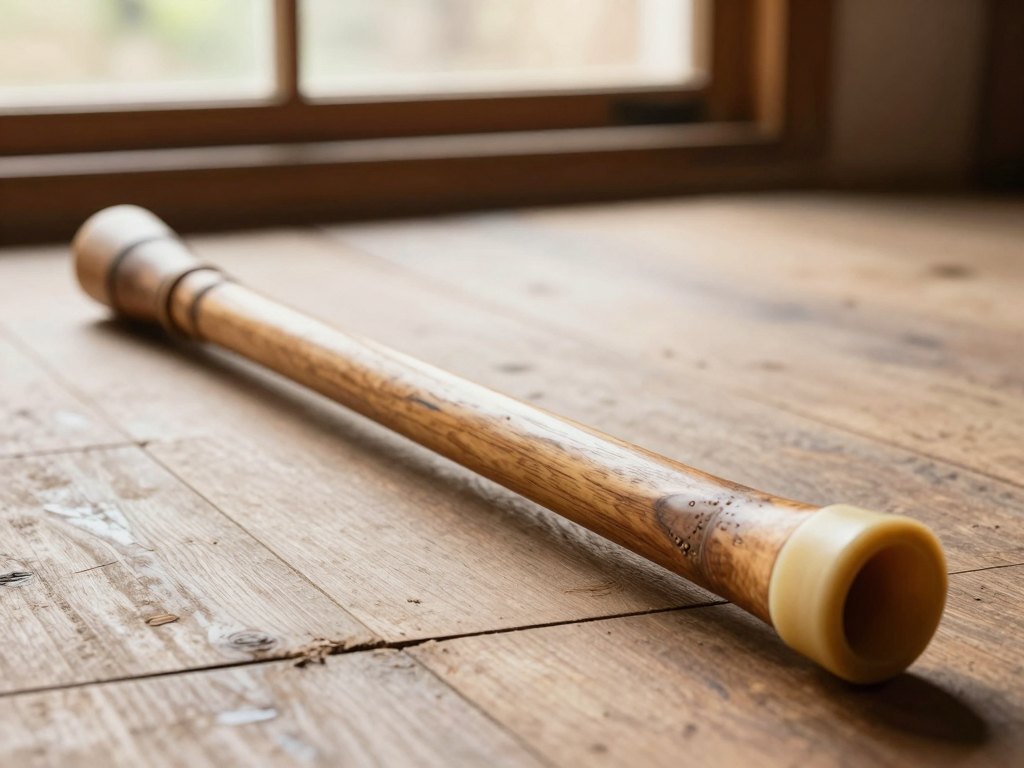
Why the first weeks with a didgeridoo feel so hard
You pick up a didgeridoo, press your lips to the mouthpiece and get either silence or a thin, rattling noise. It looks simple when a skilled player does it, yet nothing in everyday life prepares you for the mix of lip vibration, tongue position and breath control that the instrument demands.
Most beginners learn from scattered videos. One clip explains the lips, another shows a rhythm, a third jumps straight to circular breathing. Without an order, it is easy to practise the wrong thing, pick up habits that muddy the sound and give up after a few frustrating evenings.
This course puts the basics in a clear sequence. You start with the instrument itself and how to choose one that suits you. You then move to the first stable sound, clean up the tone, add overtones, and only after that build rhythms and breathing technique on top of a solid foundation.
The goal is practical. By the end you can produce a confident drone, vary it with simple sounds, play several rhythms and know exactly how to keep practising on your own.
What you will be able to do
- Choose a didgeridoo that suits a beginner
Understand what to look for before you spend money on an instrument.
- Produce a stable basic sound
Set up your lips, breath and posture so the tone comes out reliably.
- Clean up your tone with the "ee" overtone
Remove unwanted noise and make the sound clearer.
- Add the "oh" and "ah" overtones
Colour the drone and make your playing more expressive.
- Imitate animal sounds
Use voice and breath effects that make the instrument sound lively.
- Play your first rhythms
Move from a single drone to patterns with a clear pulse.
- Start working on circular breathing
Learn how to breathe in through the nose while the sound keeps going.
- Use the strobe sound and the "tu va ki" pattern
Add two characteristic techniques to your vocabulary.
- Practise with a plan
Follow practical tips on how to organise your sessions and avoid stalling.
- 11
- video lessons
- 2
- bonus lessons
- 5
- modules
- Self-paced
- learn at your own speed
A calm approach to a physical skill
Playing the didgeridoo is a physical skill, a bit like learning to whistle or to swim. You cannot memorise it; your body has to find the right settings. That is why the course is built around short, focused lessons that you can repeat as often as you need.
Each lesson concentrates on one idea: one sound, one rhythm or one technique. You watch, try it with the instrument in your hands, pause, rewind and try again. There is no pressure to finish in a set time, and nothing to fall behind on.
The order matters. Overtones come after the basic sound, rhythms after overtones, and breathing practice after you are comfortable with the drone. Each step uses what you learned in the previous one, so you always know why you are doing an exercise.
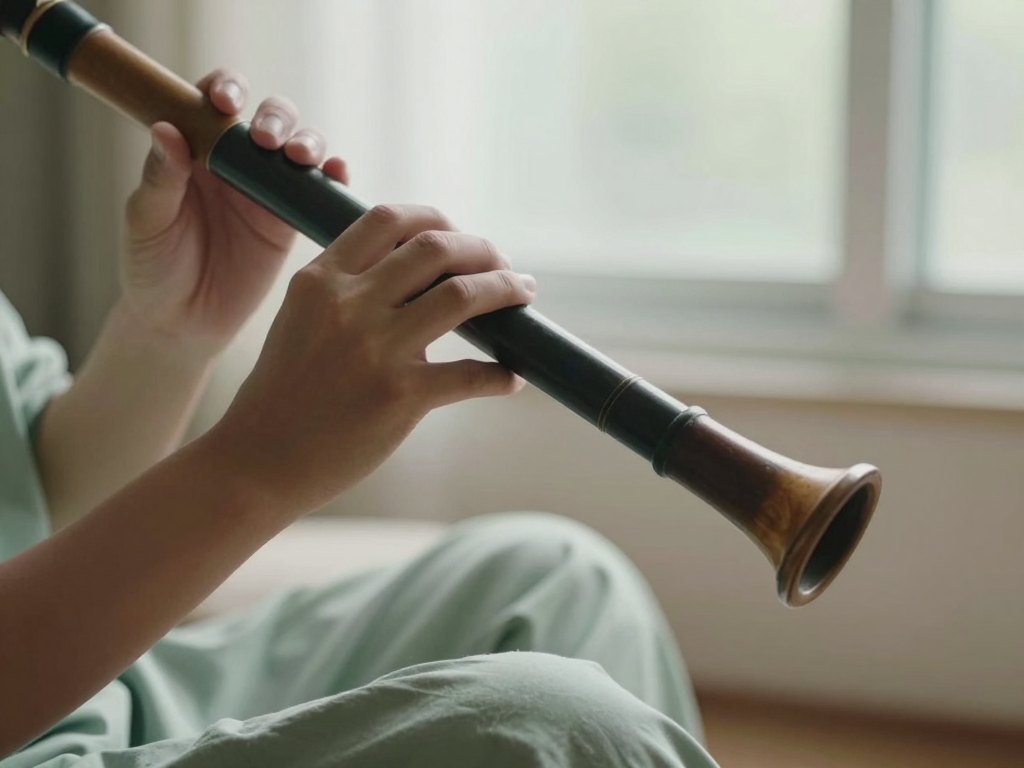
How the course works
The course is a library of recorded video lessons that you work through at your own pace. After payment you get access in your account and can start with the first lesson straight away. You can watch on a computer, tablet or phone, which is handy when you want to play along with the screen in front of you.
A sensible routine is a short practice session most days rather than one long session each week. Twenty to thirty minutes of daily playing is usually more effective than two hours on a weekend, because lips and breath muscles need regular, gentle repetition. The lessons also include thoughts on how to practise so that you make progress without tiring yourself.
The tariff described here is the self-paced version, without personal feedback. Everything you need is in the lessons and the two bonus videos, which show how to play along with a live drum and give general advice on practising.
The programme
Five modules take you from choosing an instrument to your first rhythms, plus two bonus lessons.
1Module 1 — Your instrument and your first soundPick the right instrument and learn to produce and refine a clean tone.4 lessons
- How to choose a didgeridoo
- Basic sound production
- The "ee" overtone: cleaning up your sound
- The "oh" and "ah" overtones
2Module 2 — Animal sounds and a first rhythmAdd character to the drone and start playing with a pulse.2 lessons
- Animal sounds
- Your first rhythm
3Module 3 — Circular breathing and the strobe soundLearn the way of breathing that lets the sound continue without a break.2 lessons
- Circular breathing
- The strobe sound
4Module 4 — Patterns and more rhythmsWiden your repertoire with new rhythms and a characteristic pattern.4 lessons
- Three new rhythms
- The "tu va ki" pattern
- Trumpet sound and overblowing
- Eight new rhythms
5Bonus — Playing with others and practising wellTwo extra lessons to help you apply what you have learned.2 lessons
- Playing along with a live drum
- Practice tips
What you get
- 11 video lessons
A clear sequence from the first sound to your first rhythms.
- 2 bonus lessons
Playing with a live drum and practical advice for your sessions.
- Access in your account
Start as soon as your payment is complete.
- Learning at your own pace
Pause, rewind and repeat any lesson as often as you like.
- Material that stays available
Return to the lessons whenever you want to refresh a technique.
- Works on any device
Watch on a computer, tablet or phone.
Is this course for you?
This course is for you if…
- You have a didgeridoo, or want to buy one, and have never played it before.
- You tried to learn from random videos and got stuck on the sound or the breathing.
- You like the idea of a clear step-by-step order of topics.
- You can practise a little most days and enjoy learning by repetition.
- You are curious about rhythm and want a foundation for more advanced techniques later.
Probably not a fit if…
- You are looking for personal coaching or live feedback; this version is self-paced video only.
- You already play confidently with circular breathing and are looking for advanced professional techniques.
- You expect results without regular practice; the skill needs physical repetition.
- You want to learn a different instrument.
After the course
When you finish the lessons, you can pick up your instrument and make a stable, clear sound without hunting for it. You know how to colour that sound with overtones, how to add playful effects and how to put several rhythms on top of the drone.
You also understand how circular breathing works and what to practise to master it. For many players this is the point where the instrument starts to feel like music rather than an experiment, and the course gives you a way to keep working on it step by step.
From here, you can keep refining the basics, build a library of rhythms you enjoy and decide which direction attracts you most: a meditative style, rhythmic playing or more technical approaches. Your foundation will be ready for any of them.
Questions before you buy
How much time do I need each week?
The course is self-paced, so you decide. Most learners do well with 20 to 30 minutes of playing on most days. Short regular sessions work better than a single long one.
Do I need any previous experience?
No. The course starts from the very beginning, including how to choose an instrument. You do not need to read music or have played anything before.
Do I need my own didgeridoo?
Yes, you will want an instrument to play along with the lessons. The first lesson explains what to look for, so you can watch it before making a purchase.
How does access work after payment?
Once your payment is complete, the lessons are available in your account and you can begin straight away. There are no fixed start dates.
What format are the lessons in?
They are recorded video lessons with two bonus videos. You can watch them on a computer, tablet or phone and replay them whenever you wish.
Will the material stay available?
Yes. The lessons remain available in your account, so you can come back to any technique whenever you want to review it.
Is personal feedback included?
No. This course is the self-paced version, based on video lessons and bonus videos. It does not include individual lessons or consultations.
What if the course is not right for me?
You can request a refund within 14 days of purchase. If the course does not suit you, contact support and we will take care of it.
Make your first real didgeridoo sound
Start with the first lesson today and build your playing one clear step at a time.