Education · All levels
Read any artwork with the confidence of an art historian
A chronological video course built on an academic university approach, so paintings, buildings and objects start to make sense in context.
- Chronological academic structure
- Self-paced video lessons
- Access from any device
- 14-day refund policy
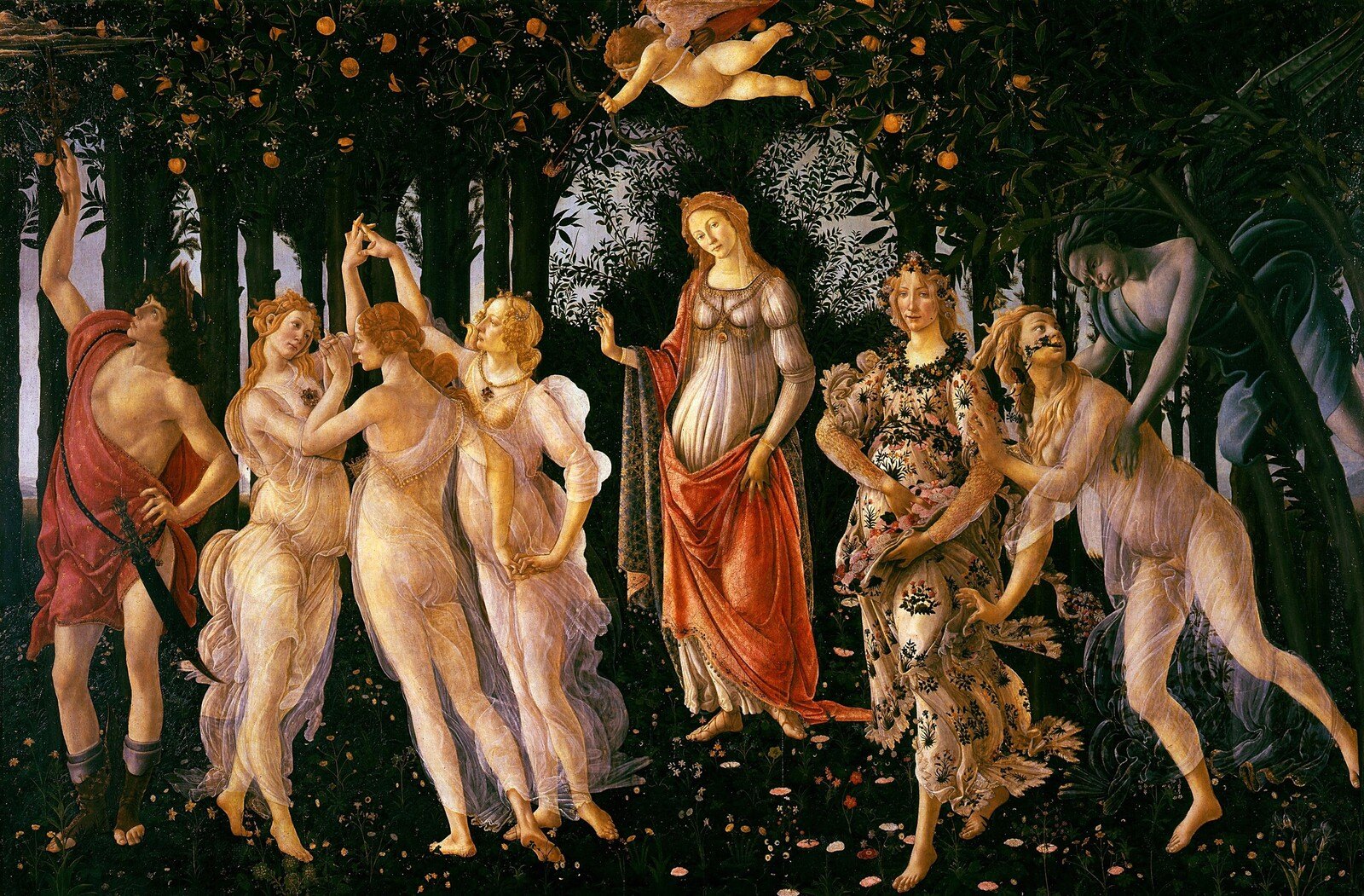
Why art so often feels out of reach
Most of us meet art in fragments: a famous painting on a poster, a museum visit with a few minutes per room, a documentary that jumps from one century to the next. We recognise the names, yet we struggle to say why a work looks the way it does or why it mattered when it was made.
Popular introductions often try to help by simplifying everything. The result is pleasant but shallow. You learn a few anecdotes, but the terminology, the sequence of styles and the reasons behind them stay vague, so the next gallery feels just as confusing as the last.
This course takes a different route. It follows the structure of a university programme in art history and moves through the periods in chronological order, so every style appears as an answer to what came before it. You build one connected picture instead of a pile of disconnected facts.
The material is aimed at adults who are curious and willing to concentrate. You do not need a degree or any previous study of art. You need an interest in looking carefully and the patience to learn the vocabulary that specialists actually use.
What you will be able to do
By the end of the programme you will have a working framework for looking at art of any period.
- Place an artwork in its period
Recognise the main stylistic features that separate one era from the next.
- Use the vocabulary of art history
Describe composition, form, space and iconography with accurate terms.
- Follow the sequence of styles
Explain how Antiquity, the Middle Ages, the Renaissance and later movements grew out of each other.
- Read religious and mythological scenes
Identify common subjects, symbols and attributes in classical and Christian imagery.
- Connect art to its historical setting
Link works to the politics, belief and daily life of the time that produced them.
- Compare works across cultures and centuries
Spot influences, borrowings and deliberate breaks with tradition.
- Prepare for museums with purpose
Choose what to look at and ask better questions in front of an original.
- Talk about art with more confidence
Explain your impressions with arguments rather than only taste.
- 6
- modules in chronological order
- 24
- video lessons
- 3
- millennia of art covered
- 14 days
- refund window
The method: learn to look before you memorise
Every lesson is built around the same habit. First you look at a work slowly and describe only what you can see. Then the lesson introduces the historical background, the technique and the vocabulary, and returns to the work with new eyes.
This order matters. When you have already noticed the details yourself, the explanations stick, and names and dates become tools for understanding rather than items to memorise for their own sake.
- Describe first, interpret second
- Learn terms in the context of real works
- Always return to the historical setting
- Compare each period with the one before
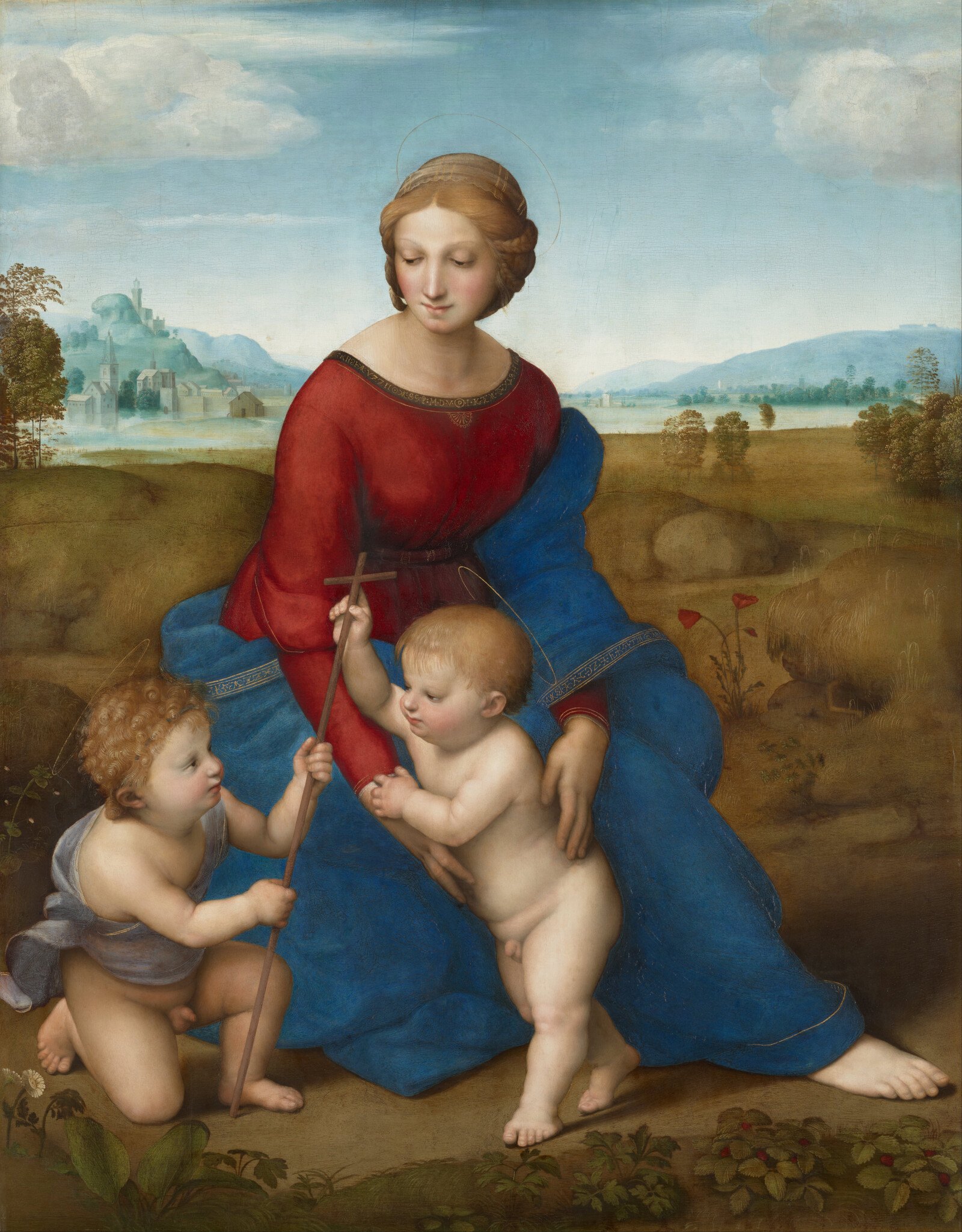
How the course works
The course is a library of recorded video lessons that you can watch whenever it suits you. You choose the pace: one lesson in an evening, a whole module over a weekend, or a slow weekly rhythm alongside work and family. The modules are designed to be taken in order, because each one builds on the previous.
The approach is academic rather than simplified. Expect precise terminology, careful explanations and a steady progression through the periods. If a concept is new, the lesson introduces it before using it, so you can follow even if you are starting from zero.
You can return to any lesson as often as you like. Many learners watch a module once for the overall picture and then revisit individual lessons before a museum trip or when a particular period catches their interest.
The programme
Six modules follow the history of art in chronological order. Each module contains four lessons.
1Module 1 — The art of the ancient worldFrom the first images to the classical ideal.4 lessons
- Prehistoric and early civilisations: why humans began to make images
- Egyptian and Near Eastern art: order, power and the afterlife
- Greek art: the search for the ideal human form
- Roman art: portraiture, architecture and the imperial image
2Module 2 — Late Antiquity and the Middle AgesHow Christian faith reshaped the visual world.4 lessons
- Early Christian art and the transformation of Roman forms
- Byzantine art: icons, mosaics and sacred space
- Romanesque architecture and sculpture
- Gothic cathedrals, stained glass and the new naturalism
3Module 3 — The RenaissanceRediscovering the classical world and the observation of nature.4 lessons
- Early Renaissance: perspective, proportion and the new artist
- High Renaissance: harmony, balance and monumental ideas
- Mythological and religious subjects: how to read the imagery
- The Renaissance beyond Italy: northern painters and their methods
4Module 4 — Mannerism and the BaroqueDrama, emotion and display in the 16th and 17th centuries.4 lessons
- Mannerism: elegance, tension and artifice
- Baroque painting: light, movement and theatrical composition
- Baroque architecture and interiors
- Dutch painting: everyday life, still life and the art market
5Module 5 — Enlightenment and the nineteenth centuryNew ideas, new audiences and new ways of painting.4 lessons
- Rococo and Neoclassicism: pleasure and reason
- Romanticism: feeling, nature and the individual
- Realism and the changing city
- Impressionism and Post-Impressionism: a new way of seeing
6Module 6 — Towards modern artThe break with tradition and the questions that followed.4 lessons
- Early modernism: Symbolism, Art Nouveau and the decorative arts
- Expressionism and the avant-garde movements
- Abstraction and the rethinking of what a picture is
- Putting it together: a framework for looking at any work
What you get
- 24 recorded video lessons
Organised in six modules that follow the timeline of art history.
- A clear academic structure
Each period is explained in relation to the one before and after it.
- Access on any device
Watch on a computer, tablet or phone, wherever you are.
- Self-paced learning
Start, pause and revisit lessons whenever it suits you.
- Lasting access to the material
The lessons stay available so you can return to them later.
- A 14-day refund window
If the course is not right for you, you can ask for your money back.
Is this course for you?
This course is for you if…
- Adults who love museums and want to understand what they are looking at
- Beginners who want a reliable chronological foundation in art history
- Learners who prefer a serious academic approach to simplified summaries
- Travellers who want to prepare for trips to galleries, churches and historic sites
- People considering further study who want to test their interest first
Probably not a fit if…
- Anyone looking for a quick ten-minute overview with no terminology
- Learners who want practical drawing or painting instruction
- Those who expect a formal qualification or an official credential from this course
- People who only want to learn how to value or authenticate antiques
After the course
You walk into a gallery and no longer feel lost. You can tell roughly when a work was made, name the features that give it away, and explain how it relates to the art that came before.
Your conversations about art change too. Instead of saying that you like or dislike a painting, you can say what the artist is doing with light, space or subject, and why that choice was unusual for the time.
Most importantly, you have a framework you can keep building on. Whether you move on to a specific period, read more widely or simply travel with sharper eyes, each new work now has a place on the map you have learned.
Questions before you buy
How much time do I need each week?
It is up to you. Many learners manage two or three lessons a week alongside work, which means finishing the programme in about two months. You can go faster or slower, because nothing expires while you study.
Do I need any previous knowledge of art?
No. The course starts from the beginning and introduces terms as they appear. Interest in the subject and a willingness to concentrate on longer lessons are all you need.
How does access work after payment?
Once your payment is confirmed you receive access to the course in your account. You can start watching immediately, on any device with an internet connection.
What is the refund policy?
You can request a full refund within 14 days of purchase if the course does not meet your expectations.
What format are the lessons in?
The lessons are recorded video lectures. You can pause, rewind and rewatch them as often as you like.
Will the material stay available?
Yes. The lessons remain available in your account, so you can come back to any module whenever you want to refresh a topic.
Is the course simplified for general audiences?
The approach is academic. Terminology is explained, but it is not avoided, so you learn the language that specialists really use.
Does the course cover practical drawing or painting?
No. It is about understanding and analysing art, not about producing it.
Start building your map of art history
Begin with the first module and see how the pieces begin to connect.