Creative · Beginner
Understand the whole story of art, epoch by epoch
Twelve lectures take you from prehistoric cave paintings to the start of the twentieth century, so styles stop being a blur and become a story.
- 12 recorded lectures
- 12 epochs of art
- Slide presentation for each part
- Watch whenever you like
- 14-day refund policy
Why art history so often feels like a blur
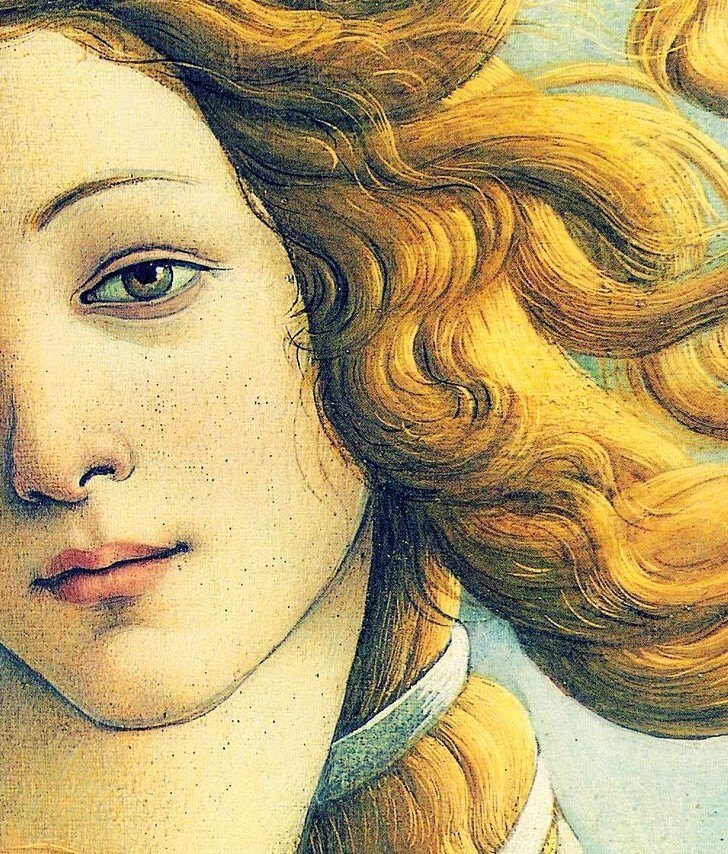
Many people love art but never get a clear sense of how it all fits together. You enjoy a museum visit, you recognise a few famous names, and yet the order of styles, the difference between one epoch and the next and the reasons behind them stay vague. Reading scattered articles rarely fixes this, because each one covers a small piece without showing the larger shape.
Others have the time to dig into individual periods but still want to see the entire picture at once. It is hard to understand Impressionism without knowing what came before it, or to appreciate the Renaissance without knowing what the Middle Ages valued. Art makes sense when you can follow the thread.
This course is built around that thread. It is a cycle of twelve lectures that covers the whole history of art, from prehistoric rock paintings to the beginning of the twentieth century. Rather than only listing the key features of each period, the lectures trace the connections and patterns between epochs and the world that produced them.
The lecture material is based on sources recommended by a university department of general art history. The aim is simple: to turn art from a set of stones and canvases into a living reality, parts of which we can still see today.
What you will be able to do
- Place any major style on the timeline
You will know the order of epochs and what separates one from the next.
- Tell Baroque from Rococo
Learn the visual and cultural cues that distinguish similar-looking styles.
- Distinguish Romanesque from Gothic
Recognise the architecture and imagery of each medieval period.
- Tell Greek art from Roman art
See what Rome inherited, what it changed and why it matters.
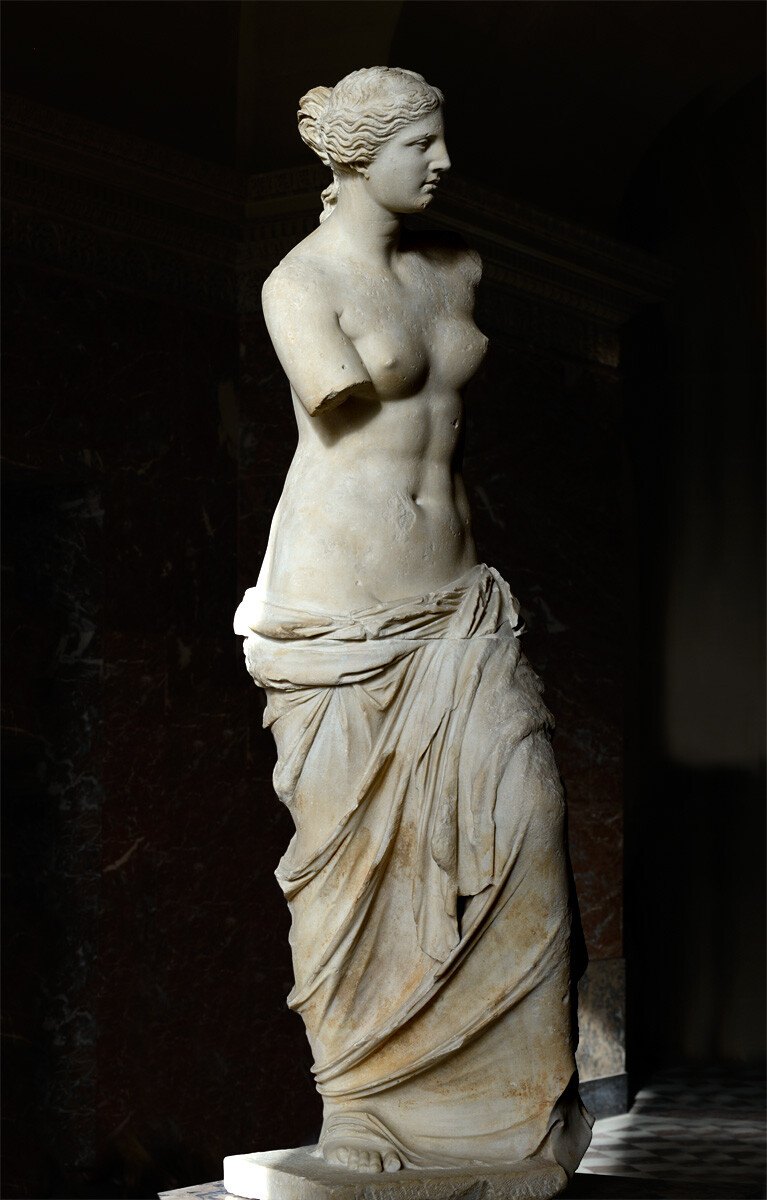
- Trace the changing image of the human body
Follow how the body was shown from prehistory to the modern age.
- Spot connections between epochs
Understand how one era's ideas prepared the ground for the next.
- Look at a work of art with a method
Pick up the key moments of analysis you can apply in any museum.
- Talk about art with confidence
Use the right vocabulary and context in conversations and visits.
- 12
- lectures
- 12
- epochs of art
- 6
- weeks
- 80
- days of access
A story of connections, not a list of dates
The signature approach of the course is to treat every epoch as a response to the one before it and to the life of its time. Egyptian art, for example, is explored through what it was meant to do, not only through how it looks. The same question guides every lecture: why did people make art this way, and what changed when they stopped?
This is what lets you remember styles without memorising lists. When you understand the reasons, a Gothic cathedral or a Baroque ceiling becomes recognisable at a glance, and you can start drawing your own parallels between periods.
- Each epoch is placed in its historical setting
- Key features are shown through typical works
- Links between neighbouring periods are made explicit
- The human body is followed as a recurring theme
How the course works
The course runs over six weeks and is made of twelve lectures. Each lecture opens on a schedule, and every one is also available as a recording, so you can watch at any time that suits you. You can follow the weekly rhythm or move at your own pace within your access period.
Two of the lectures are split into two parts: the one on the Romanesque and Gothic periods, and the one on the nineteenth century. Each part comes with its own slide presentation, which you can use to review what you watched and to revisit images and key points later.
The lectures are delivered as video. You need no special software and no previous knowledge of art. A comfortable screen, a little curiosity and regular viewing time are enough. This programme covers the lectures and the presentations; it does not include one-to-one feedback.
The programme
Twelve lectures arranged into six weekly steps, in chronological order.
1Week 1 — The first images and the first great civilisationsFrom cave walls to the art of the Nile valley.2 lectures
- Lecture 1 — Prehistoric art
- Lecture 2 — Ancient Egypt
2Week 2 — The classical worldThe ideals of Greece and the power of Rome.2 lectures
- Lecture 3 — Ancient Greece
- Lecture 4 — Ancient Rome
3Week 3 — The Middle AgesByzantine splendour and the Romanesque and Gothic worlds.2 lectures, one in two parts
- Lecture 5 — The Middle Ages: the Byzantine Empire
- Lecture 6, part 1 — The Middle Ages: the Romanesque period
- Lecture 6, part 2 — The Middle Ages: the Gothic period
4Week 4 — Renaissance and BaroqueRebirth of classical ideals and the drama that followed.2 lectures
- Lecture 7 — The Renaissance
- Lecture 8 — The Baroque
5Week 5 — Order, reason and a changing centuryThe return to classical clarity and the art of the eighteenth century.2 lectures
- Lecture 9 — Classicism
- Lecture 10 — The eighteenth century
6Week 6 — Into the modern ageNineteenth-century movements and the dawn of the twentieth century.2 lectures, one in two parts
- Lecture 11, part 1 — The nineteenth century: Romanticism and Classicism
- Lecture 11, part 2 — The nineteenth century: Impressionism and Art Nouveau
- Lecture 12 — The twentieth century: the beginning
What you get
- 12 recorded lectures
Covering twelve epochs, from prehistory to the early twentieth century.
- A slide presentation for each part
Use it to review images and key points after watching.
- Flexible viewing
Each lecture opens on schedule and stays available as a recording.
- 80 days of access
Enough time to follow the schedule or take it slower.
- A full-history overview
One continuous narrative instead of isolated topics.
- Support through 14-day refunds
If the course is not right for you, you can ask for your money back within 14 days.
Is this course for you?
This course is for you if…
- You love art but lack a clear order of styles and epochs
- You already read about art and want to see the whole picture at once
- You want to tell Baroque from Rococo and Romanesque from Gothic
- You are interested in how the depiction of the human body evolved
- You enjoy making connections and drawing parallels between periods
- You value clear speech and engaging storytelling
Probably not a fit if…
- You want a deep specialist study of a single artist or movement
- You are looking for practical drawing or painting lessons
- You need personal feedback from a teacher on every assignment
- You are looking for a course focused on art after the early twentieth century
After the course
Once you have been through all twelve lectures, you will have a mental map of art history. You will be able to say roughly when a work was made, which tradition it belongs to and what ideas stand behind it.
A museum visit will feel different. Instead of walking past rows of canvases, you will notice shared features, spot influences between rooms and know which questions to ask about a painting or a sculpture.
You will also have the presentations to return to whenever you want to refresh a topic. For many people the best result is simply more pleasure in looking, and a sense of how much of the past is still visible around us.
Questions before you buy
How much time do I need each week?
The course is planned over six weeks with about two lectures a week. Plan to set aside enough time to watch them and look through the presentations. Because everything is recorded, you can fit it around your own schedule.
Do I need any prior knowledge?
No. The course starts with the earliest art and builds forward, so you need no background in art or history. Curiosity is enough.
How does access work after payment?
After you pay, you receive access to the course materials. Each lecture opens on its scheduled date, and your access runs for 80 days from purchase.
What format are the lessons in?
The lessons are video lectures, each supported by a slide presentation. You can watch on a computer, tablet or phone with an internet connection.
Can I watch at my own pace?
Yes. Every lecture is available as a recording, so you can watch at any time, pause, rewatch and move through the programme as quickly or slowly as you like within your access period.
Will the material stay available?
Yes, throughout your 80-day access period every lecture and presentation stays available to you, so you can revisit any topic as often as you wish.
What is your refund policy?
You can request a refund within 14 days of purchase if the course is not what you hoped for.
Does this version include a chat or personal feedback?
No. This version covers the twelve lectures and the presentation to each part. It does not include one-to-one feedback or live sessions.
Begin your walk through art history
Twelve lectures, twelve epochs and one clear story, available to watch whenever you have time.